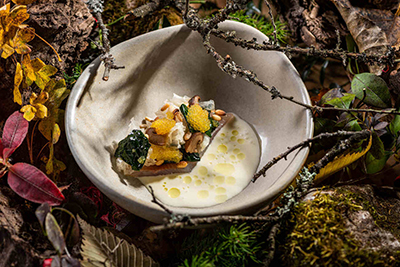
How to Eat Well When You Travel
tourism
|
September 17, 2026
You are three days into a trip and every meal so far has been fine. Not bad, just forgettable — the kind of food that exists near attractions because people are hungry rather than because anyone cared.
Eating well somewhere unfamiliar is a skill rather than luck, and most of it comes down to a handful of signals you can learn to read anywhere in the world.
Walk Away From the Landmark
The single most reliable rule in travel eating is distance. Restaurant quality tends to improve and prices tend to fall as you move away from a major sight.
Five to ten minutes of walking is usually enough. Restaurants directly facing a cathedral or a famous square do not need repeat customers, because there is an endless supply of first-time visitors. Restaurants three streets back depend on people coming again.
The same applies to main thoroughfares. Turning off the primary street onto a side street frequently changes the character of what is on offer entirely.
Signals Worth Reading
A few things reliably indicate a place worth eating at, and they work across very different countries.
- Locals eating there, particularly at local mealtimes rather than at tourist hours. This is the strongest single signal.
- A short menu. A kitchen offering twelve dishes is cooking them. A kitchen offering ninety is reheating most of them.
- A menu in the local language, or one that has clearly been translated rather than designed for tourists in six languages with photographs.
- Visible turnover. Full at the right time of day, with food going out rather than sitting.
- Specialisation. A place that does one thing — one regional dish, one style of cooking — usually does it well.
- A handwritten or daily-changing section, which suggests cooking around what is available.
The warning signs are the inverse: a host outside actively pulling people in, photographs of every dish on a board, and a menu spanning several unrelated cuisines.
Eat When the Locals Eat
Mealtimes vary enormously between countries and eating at the wrong hour puts you in a room full of other visitors being served accordingly.
In Spain, dinner before nine is early. In much of Latin America, lunch is the main meal. In parts of northern Europe, dinner is considerably earlier than visitors expect. Kitchens in many countries close between services entirely, which catches people out repeatedly.
Checking local mealtimes before you arrive takes two minutes and changes both what is available and who you are eating alongside. The lunch menu is also frequently the best value meal of the day in many countries, offering the same kitchen at a fraction of the evening price.
Markets Are the Shortcut
If you only do one food thing in a new city, go to a food market in the morning.
Markets tell you what is actually in season and what is local, which makes ordering in restaurants easier for the rest of the trip. Many have stalls or small counters serving prepared food, often excellent and inexpensive.
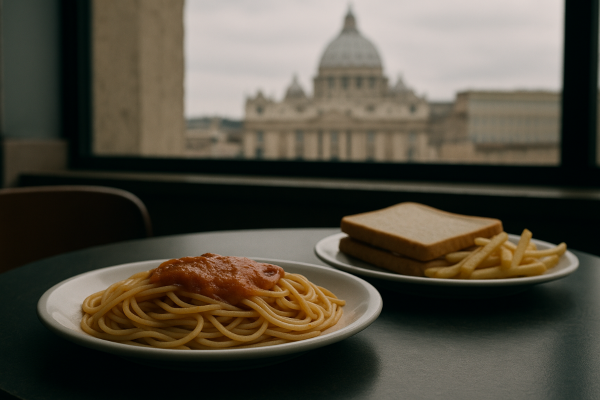
They are also the lowest-stakes way to try things. Buying one unfamiliar item costs very little compared with ordering an entire dish you may not like. And for anyone self-catering, a market plus a bakery covers lunch for a fraction of restaurant prices.
Ordering Without the Language
Not speaking the language is much less of a barrier than it feels like.
Learning five words goes a long way: hello, please, thank you, the bill, and delicious. Beyond that, pointing at what someone nearby is eating works everywhere and is usually received well rather than as rudeness.
Download an offline translation app with camera translation before you go, which handles menus even without a signal. And asking a server what they recommend, or what the house specialty is, frequently produces the best meal of a trip — it is a question people generally enjoy answering.
Managing Dietary Requirements
Traveling with allergies or dietary restrictions requires preparation rather than luck, and the stakes differ enormously between preference and allergy.
For genuine allergies, carry a translation card written in the local language stating exactly what you cannot eat and how serious it is. These can be printed before you travel and are far more reliable than an app or improvised explanation, particularly in a busy kitchen.
Be aware that terminology does not always translate directly. Vegetarian may not exclude fish or meat stock in some places. Dairy-free may not account for butter. Being specific about ingredients rather than using category words removes most of the ambiguity.
Anyone with a severe allergy should also know how to say the local equivalent of allergy and how to reach emergency services in that country.
Eating Safely
Food-related illness ruins more trips than almost anything else, and the basic precautions are straightforward.
Check official travel health guidance for your destination before you go, since advice on water and food safety varies considerably. Where tap water is not safe, remember that ice, salads washed in tap water, and brushing teeth all count.
For street food, the general principle is to favor stalls that are busy, cook to order in front of you, and serve food hot. High turnover means ingredients are fresh and nothing has been sitting. Food that is piping hot when it reaches you is considerably lower risk than food held warm.
Carry basic rehydration salts. They weigh nothing and are the single most useful thing to have if something does go wrong.
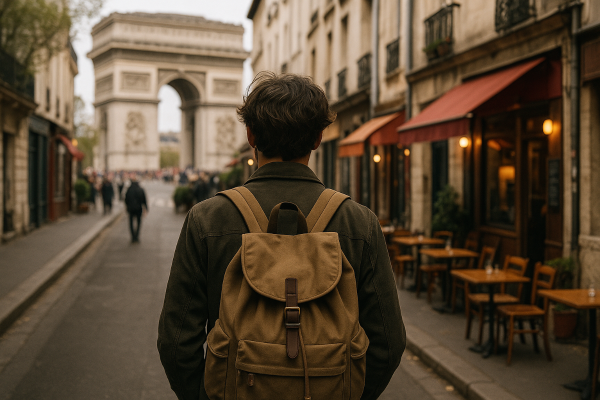
Balancing It Out
Eating richly for a week is part of traveling, but a two weeks of restaurant meals with no vegetables tends to catch up with people.
Two habits help without turning a trip into a discipline exercise. Make one meal a day simple — market fruit, bread and cheese, a bowl of something from a stall — which leaves the other meals free to be as indulgent as you like.
And keep water with you. Dehydration on a day of walking in an unfamiliar climate produces headaches and fatigue that get blamed on the food or the traveling rather than on the obvious cause.
Researching Before You Arrive
A small amount of preparation makes the on-the-ground signals easier to read, and it takes very little time.
Find out what the region is actually known for rather than what the country is known for, since food varies enormously within borders and the famous national dish is often regional. Learn the names of three or four local specialties so you can recognize them on a menu written in a language you do not read.
Be cautious with review-site rankings, which skew heavily toward places that get tourist traffic and toward restaurants that actively solicit reviews. Local food blogs, regional newspapers, and asking your accommodation host where they eat are all better sources than a top-ten list.
One Thing to Try on Your Next Trip
On the first morning, before doing anything else, find the nearest food market and walk through it.
You will learn what is in season, what the region is known for, and roughly what things should cost — which makes every meal for the rest of the trip easier to choose. It is the best-value hour available on any trip that involves eating.
Sources & References
[1] Centers for Disease Control and Prevention — Travelers' Health: food and water safety abroad — https://wwwnc.cdc.gov/travel
[2] U.S. Department of State — Country information and travel advisories — https://travel.state.gov
[3] World Health Organization — International travel and health guidance — https://www.who.int
You May Like

Teas for Anxiety: Which Ones Really Help You Relax
July 20, 2026

5 best beaches in the world
February 1, 2023

How to plan holidays within a budget
January 23, 2023

The 7 most underrated cities in the world
January 18, 2023
How to make the most of your vacation funds
January 16, 2023

Travelling as an Adult With Family? Here’s How to Stay Sane
December 31, 2022
Recommended Reads
How Adaptogen Teas Like Ashwagandha Can Support Your Health
June 28, 2026
How to stay healthy while traveling
January 24, 2023
The Most Romantic Hotels and Resorts in the World for Valentine's Day
December 17, 2022