The Pantry Staples That Make Weeknight Cooking Easy
deliciousfood
|
September 17, 2026
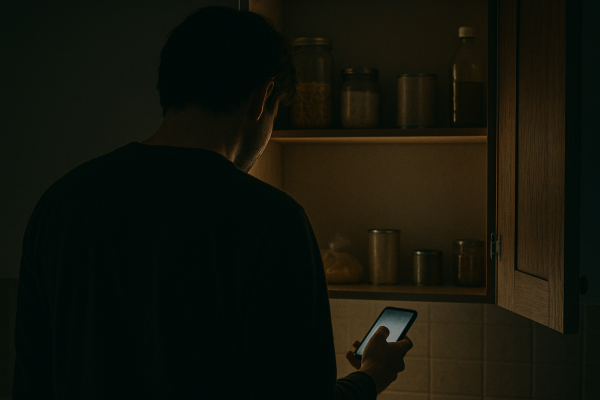
There is a particular kind of weeknight defeat that happens at half past six, standing in front of a cupboard, concluding there is nothing to eat and reaching for your phone.
Usually there is something to eat. What is missing is not ingredients but the right ingredients — the handful of things that turn whatever is in the fridge into an actual meal.
A good pantry is not large. It is specific.
The Non-Negotiables
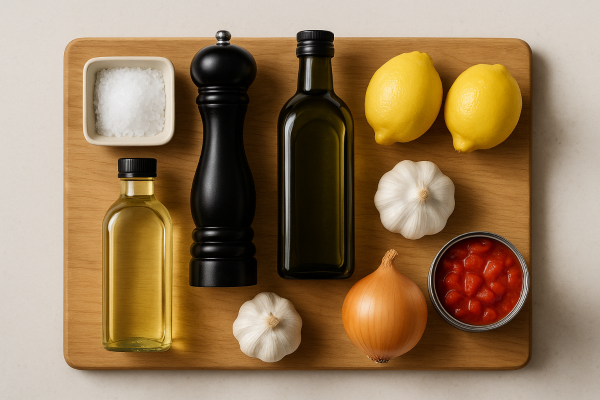
If you keep nothing else, keep these. Between them they season, thicken, brighten, and enrich almost anything.
- Salt, in a box you can pinch from rather than a grinder. Most home cooking is under-seasoned and this is the fix.
- Black pepper, whole, in a grinder. Pre-ground loses its character within weeks.
- A neutral cooking oil and a decent olive oil. One for heat, one for flavor and finishing.
- An acid: lemons, or a bottle of vinegar. Acid is what makes a finished dish taste bright rather than flat, and it is the most common thing missing from home cooking.
- Garlic and onions. The base of a very large proportion of savory cooking.
- Canned tomatoes. Sauce, soup, braise, and stew all start here.
That list is six items and it covers a surprising amount of ground. Everything below builds on it.
Carbohydrates That Keep
These are what turn a small amount of protein or vegetables into a meal that fills people up.
Dried pasta keeps for years and cooks in ten minutes. Rice is equally durable and more versatile than it gets credit for. Dried noodles cook in three minutes and make soup into dinner.
Add potatoes and an onion or two kept somewhere cool, dark, and ventilated — separately, since they hasten each other's spoilage. Between pasta, rice, and potatoes you can build the base of almost any meal without a shop.
Protein From the Cupboard
The reason a well-stocked pantry prevents takeaway orders is that it contains protein that does not need to be defrosted.
Canned beans — chickpeas, cannellini, black beans — are ready immediately and work in soups, salads, stews, and blended into dips. Lentils cook from dry in about twenty minutes with no soaking, which makes them the most convenient dried pulse by a distance.
Canned fish deserves more respect than it gets. Tuna, sardines, and anchovies all keep indefinitely, and anchovies in particular melt into a sauce and add savory depth without tasting fishy. Eggs, kept in the fridge, are the fastest protein in any kitchen.
The Flavor Shelf
This is the part that separates a functional pantry from a useful one. These items change the direction of a dish rather than filling it out.
Soy sauce, mustard, and a chilli paste or sauce cover an enormous range between them. Add honey or another sweetener for balancing, and stock cubes or paste for anything braised or simmered.
For dried spices, a small number used often beats a large rack used rarely. Cumin, smoked paprika, dried chilli flakes, and a mixed herb blend will take you most places. Buy small quantities, because ground spices lose potency within six to twelve months and a huge jar simply goes stale.
What These Make Together
The test of a pantry is whether it produces meals without a shop, so here is what the list above yields.
Pasta with canned tomatoes, garlic, olive oil, and chilli flakes. A chickpea stew with tomatoes, onion, cumin, and paprika. Lentil soup with a stock cube and whatever vegetable is in the fridge. Fried rice with an egg, soy sauce, and leftover vegetables. Noodle soup with stock, soy, chilli, and an egg cracked in.
None of those requires shopping, and all of them take under half an hour.
How Long Things Actually Keep
Pantry items do not last forever, and some degrade faster than their dates suggest.
Dried pasta and white rice keep for years. Canned goods are generally good well past their best-before date provided the can is undamaged, though a dented, bulging, or rusted can should be discarded without opening.
Oils are the item most people keep too long. They go rancid when exposed to light, heat, and air, which is why the bottle beside the stove is the worst-placed thing in most kitchens. Store oil somewhere cool and dark, and buy sizes you will finish within a few months.
Whole spices keep their potency far longer than ground ones. Flour and nuts both contain oils that go rancid, so keep them sealed and consider the fridge or freezer for anything you use slowly.
Fridge and Freezer Staples Worth Keeping
A pantry is only half the picture, and a few cold items do disproportionate work alongside it.
- Eggs. The fastest protein available and the basis of a meal at any time of day.
- A hard cheese such as parmesan. A small amount adds savory depth to pasta, soup, and vegetables.
- Butter, which finishes sauces and enriches almost anything.
- Frozen peas and frozen spinach. Vegetables that are always available and never go off before you get to them.
- Frozen bread or a part-baked loaf, so there is always something to serve alongside soup.
- Lemons, which keep for weeks in the fridge and are the most common missing ingredient in flat-tasting food.
Shopping for the Pantry Without Overspending
Pantry building can quietly become expensive if it turns into collecting rather than stocking.
Buy the base items in larger quantities, since rice, pasta, canned tomatoes, and oil all get used constantly and keep well. Buy spices and specialty items in the smallest size available, because they lose potency and you may discover you do not actually like them.
Be wary of single-purpose ingredients bought for one recipe. If a jar will be used once and then sit for two years, buying a smaller quantity from a bulk section — or simply leaving it out — is usually the better call. A pantry of fifteen things you use weekly beats one of sixty things you use annually.
Building It Gradually
Buying everything at once is expensive and produces a cupboard full of things you have not learned to use.
Start with the six non-negotiables. Add two or three items a week from the lists above, choosing whatever fits a meal you actually want to cook that week. Within a month or so you will have a pantry you use rather than one you store.
The test is simple and worth applying occasionally: open your cupboard and see whether you could make dinner tonight without going out. When the answer is reliably yes, the pantry is doing its job.
Sources & References
[1] USDA Food Safety and Inspection Service — Shelf-stable food safety and pantry storage — https://www.fsis.usda.gov/food-safety
[2] U.S. Food and Drug Administration — Food date labeling and shelf life guidance — https://www.fda.gov/food
[3] U.S. Department of Agriculture — MyPlate food group and planning resources — https://www.myplate.gov
You May Like
Banana Bread
February 16, 2023

Events Leading To 2022 Russian Invasion of Ukraine
January 9, 2023
MICHELIN Guide Slovenia : a local and wild gastronomy
January 6, 2023

Ben Stiller and wife Christine Taylor Are Back Together
January 4, 2023

The Most Romantic Hotels and Resorts in the World for Valentine's Day
December 17, 2022

How will a prolonged Russia-Ukraine conflict affect your investment portfolio?
December 12, 2022
Recommended Reads
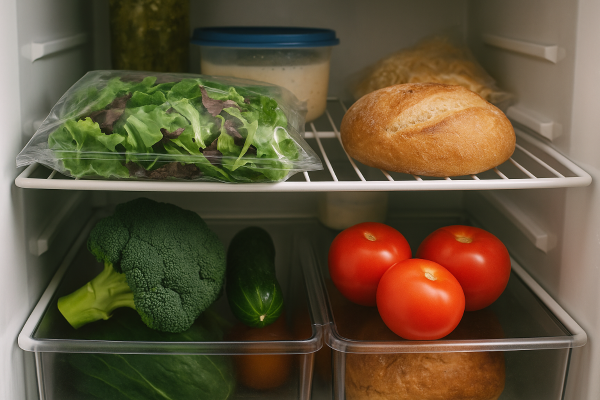
How to Store Food So It Actually Lasts
September 17, 2026
How To Stay Healthy While travelling
January 23, 2023
ENJOY AN INDULGENT DINNER WITH AN AMERICAN DEEP SOUTH CHICKEN FRIED STEAK
December 17, 2022