Teas for Anxiety: Which Ones Really Help You Relax
deliciousfood
|
July 20, 2026
Almost every article about calming tea cites the same handful of studies. Very few mention the part that matters most: the amounts used in those studies are far higher than anything you get from a teacup.
That is not a reason to put the kettle away. It is a reason to know what you are actually getting, so you can use tea for what it genuinely does well and not feel let down when it does not solve everything.
Here is the honest version, tea by tea.
The Number Most Articles Skip
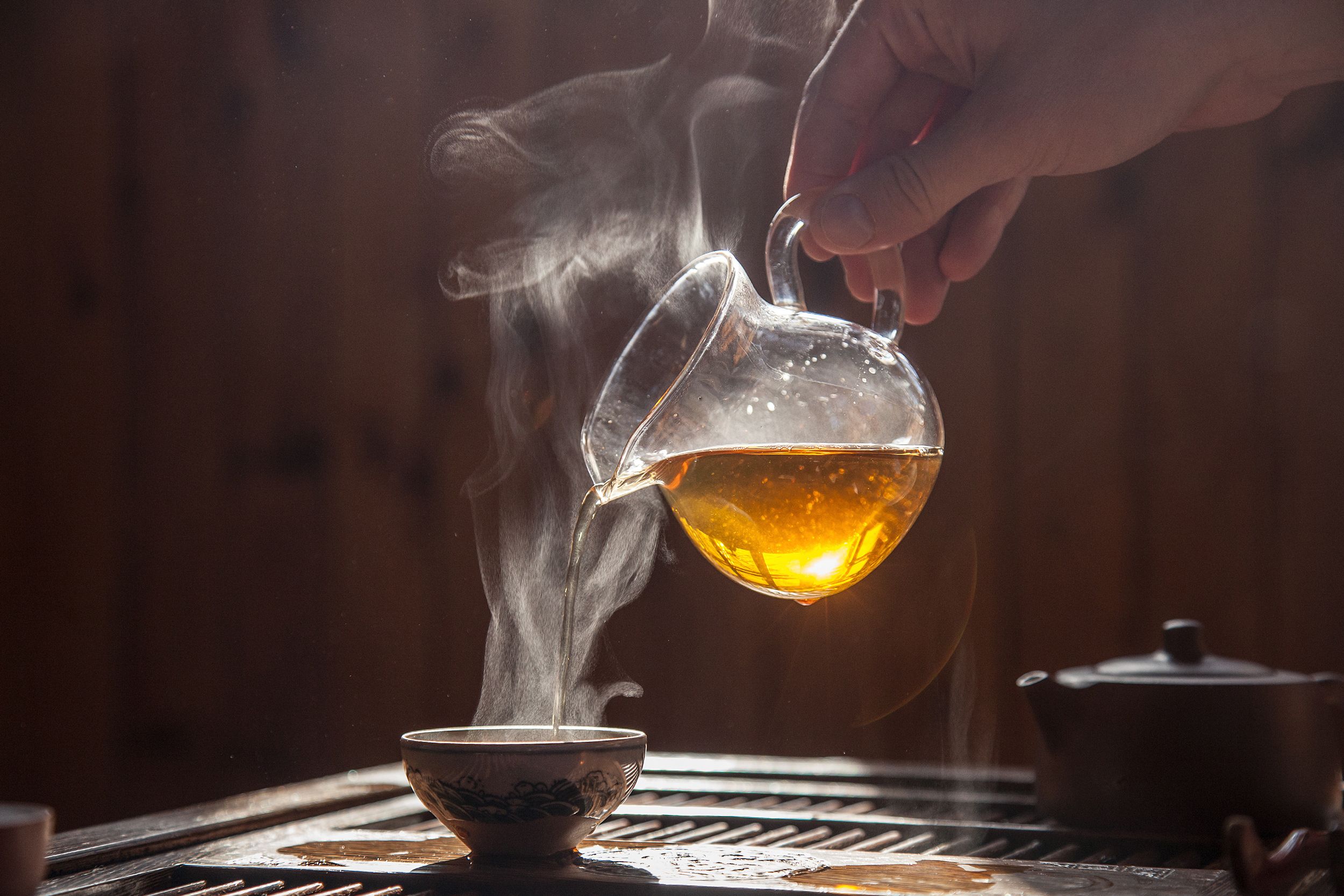
L-theanine is the amino acid in tea that gets credited for calm focus, and the research behind it is real. Clinical trials that found reduced anxiety and stress typically used 200 to 400 milligrams a day, taken as a supplement.
A cup of green tea contains roughly 8 to 30 milligrams, depending on the leaf and how you brew it. Shade-grown varieties like matcha and gyokuro land at the higher end. To reach a studied dose from ordinary green tea, you would be drinking somewhere between eight and ten cups, along with all the caffeine that comes with them.
Chamomile follows the same pattern. The best-known trials, run at the University of Pennsylvania, used a pharmaceutical-grade extract at 1,500 milligrams a day, standardized for its apigenin content. A cup of chamomile tea delivers a small fraction of that.
So the studies are not fake. They are just measuring something different from what is in your mug.
Why Tea Still Works Anyway
Here is the part that gets lost in the dose debate. Tea helps most people feel calmer, and the reasons are not mysterious.
- It forces a pause. Boiling water, waiting for a steep, and holding a warm cup takes five to ten minutes during which you are not doing anything else. That break has real value.
- Warmth is physically soothing. Holding something warm and drinking something warm both nudge the body toward a settled state.
- It replaces something worse. A cup of chamomile at 9 p.m. is often standing in for a third coffee, a glass of wine, or another hour of scrolling.
- It is a signal. Doing the same thing at the same time each evening tells your body what comes next, which genuinely helps with winding down.
- It keeps you hydrated, and mild dehydration makes almost everyone feel worse.
None of that requires a clinical dose of anything. If tea makes your evenings calmer, it is working, and it does not matter whether the mechanism is chemical or behavioral.
Chamomile: The Best-Studied of the Bunch
Chamomile has the strongest research record of any tea on this list. A randomized controlled trial published in the Journal of Clinical Psychopharmacology found that standardized chamomile extract reduced symptoms in people with mild to moderate generalized anxiety disorder compared with placebo. Later work found similar benefits over longer periods.
The active compound most often credited is apigenin, a flavonoid that appears to interact with receptors in the brain involved in calming signals. Again, the trials used concentrated capsules rather than tea.
To brew: steep 1 to 2 teaspoons of dried flowers in just-boiled water for 5 to 10 minutes, covered. Covering the cup keeps the aromatic compounds in the tea instead of letting them float off into the kitchen.
Two things worth knowing before you make it a nightly habit. Chamomile belongs to the same plant family as ragweed, daisies, and marigolds, so people with those allergies sometimes react to it. And because it may have a mild blood-thinning effect, anyone taking anticoagulant medication such as warfarin should check with a doctor or pharmacist first.
Lavender: Better Evidence for the Smell Than the Sip
Lavender does have research behind it, but most of it studies either inhaled lavender aroma or a specific oral lavender oil preparation used in Europe. Very little of it tested lavender as a tea.
That does not make lavender tea pointless. Aroma is part of how it works, and holding a steaming cup under your nose is a reasonable way to get it. Just set your expectations around a pleasant, calming ritual rather than a measured dose of anything.
Use 1 to 2 teaspoons of culinary-grade dried buds per cup and steep 5 minutes. Lavender goes bitter and soapy fast if you use too much or steep too long, which is the most common complaint about it. Start with less than you think you need. A little honey rounds it out nicely.
Green Tea: Real Compounds, Real Caffeine
Green tea contains both L-theanine and caffeine, and the combination is genuinely interesting. The pairing has been studied for producing alert calm rather than the jittery edge caffeine can give on its own.
But a cup carries roughly 30 to 50 milligrams of caffeine, and caffeine is a well-documented trigger for anxiety symptoms in people who are sensitive to it. If your anxiety comes with a racing heart or a jumpy feeling, more caffeine in the afternoon is unlikely to help no matter what else is in the leaf.
The practical approach: keep green tea for the morning and early afternoon, and switch to caffeine-free options after about 2 p.m. Brew at around 175°F, well below boiling, for 2 to 3 minutes. Water that is too hot makes green tea bitter and harsh.
If you like the ritual but not the caffeine, decaffeinated green tea keeps most of the L-theanine.
Peppermint: Great for Some Things, Not Really Anxiety
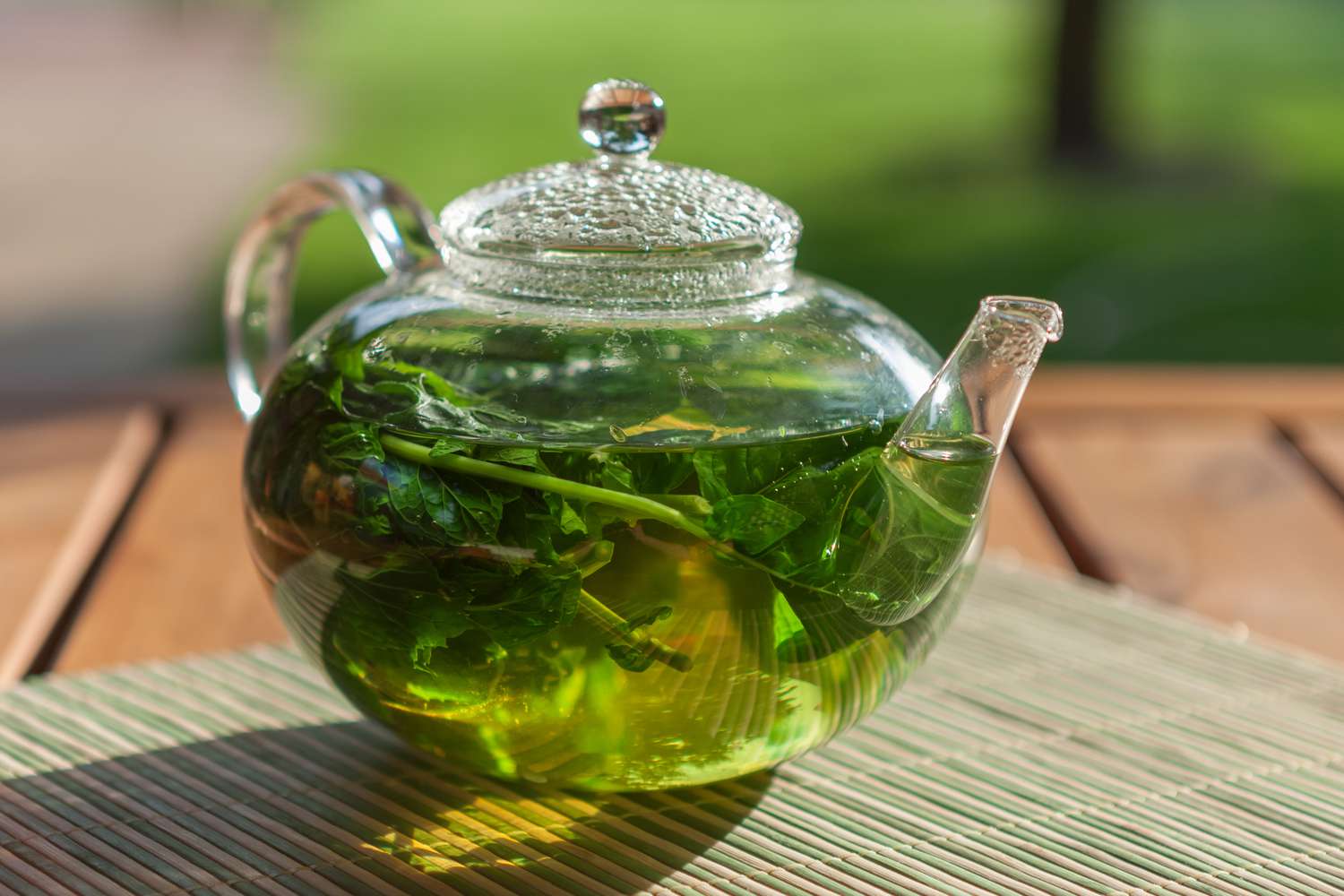
Peppermint tea is genuinely useful. It has reasonable evidence for digestive comfort, and the menthol aroma feels clearing and refreshing.
What it does not have is much direct research on anxiety. It shows up on calming tea lists mostly because it is caffeine-free and pleasant, which are decent reasons to drink it but not the same as evidence.
One caution: peppermint can relax the muscle at the top of the stomach, which sometimes makes acid reflux worse. If you deal with heartburn, especially in the evening, this might not be your best bedtime choice.
Steep a teaspoon of dried leaves, or a small handful of fresh ones, for 5 to 10 minutes.
Rooibos: The Reliable Caffeine-Free Option
Rooibos comes from a South African shrub and contains no caffeine at all, which makes it a sensible evening choice for anyone who is caffeine-sensitive.
It is rich in antioxidants and naturally a little sweet, so it takes milk or honey well if you want something that feels more substantial. The specific anxiety research on rooibos is thin, so treat it as a comforting, safe, caffeine-free base rather than an active remedy.
Unlike green tea, rooibos does not turn bitter with long steeping. Five minutes minimum, longer if you want it stronger.
Two Worth Adding to the List
Most calming tea articles stop at the familiar five. Two others are worth knowing about.
Lemon balm, a member of the mint family, has been studied for mood and stress with some encouraging early results. It tastes gently lemony and blends well with chamomile.
Passionflower has traditional use for restlessness and sleep, and a small body of research behind it. It has a mild, grassy flavor and is often blended rather than drunk alone. Because it may increase drowsiness, avoid combining it with sedative medication without asking a doctor first.
Safety Notes Worth Two Minutes
- Herbal teas are not regulated for potency the way medicines are, so strength varies between brands and even between batches.
- If you are pregnant or breastfeeding, check specific herbs with your doctor or midwife. Several common ones are not recommended.
- Green tea can interfere with iron absorption, so drink it between meals rather than alongside them if iron is a concern for you.
- If you take prescription medication, especially blood thinners, sedatives, or anything for blood pressure, run new herbal habits past a pharmacist. This takes one short conversation.
- More is not better. Very large amounts of any herbal tea can cause stomach upset, and some herbs have upper limits worth respecting.
When Tea Is Not the Right Tool
This part matters more than any brewing tip. Tea is a comfort, not a treatment.
If anxiety is interfering with your sleep, work, relationships, or daily activities, or if it has been building for weeks, that is worth a conversation with a doctor. Anxiety disorders respond well to treatment, and therapy and medication have far stronger evidence behind them than any beverage.
Reaching for support is not giving up on the calm-evening routine. You can have both, and the tea is more enjoyable when it is not carrying weight it was never built to hold.
A Realistic Evening Setup
Pick one caffeine-free tea you actually like the taste of, because you will not stick with something you drink out of obligation. Chamomile, rooibos, or a lemon balm blend are all reasonable starting points.
Make it at the same time each evening, roughly an hour before you want to be asleep. Cover the cup while it steeps. Put your phone in another room while you drink it. That last part is doing more work than the leaves are, and together they add up to something that reliably takes the edge off a day.
You May Like

Meal Prep That Doesn't Get Boring by Wednesday
September 17, 2026

Crispy Buffalo Wings
February 8, 2023
2022 Chicago New MICHELIN Stars
January 28, 2023

Ways To Save Money While Travelling
January 23, 2023

Long-term and durable solutions for refugees
January 15, 2023

What can be done to alleviate the refugee crisis?
January 10, 2023
Recommended Reads
Meal Prep That Doesn't Get Boring by Wednesday
September 17, 2026
Staying Connected Abroad: eSIMs, Roaming, and Offline Maps
September 17, 2026
MICHELIN Guide Slovenia : a local and wild gastronomy
January 6, 2023