The Travel Documents People Forget Until It's Too Late
tourism
|
September 17, 2026
The worst place to discover a document problem is a check-in desk, and it happens to people constantly — most often over a rule they had never heard of rather than an expired passport.
Almost all of it is preventable with an hour of checking a few weeks before departure. Here is what to work through, roughly in order of how often it causes trouble.
Passport Validity: The Six-Month Rule
This is the single most common cause of people being denied boarding, and it catches out travelers whose passports are still perfectly valid.
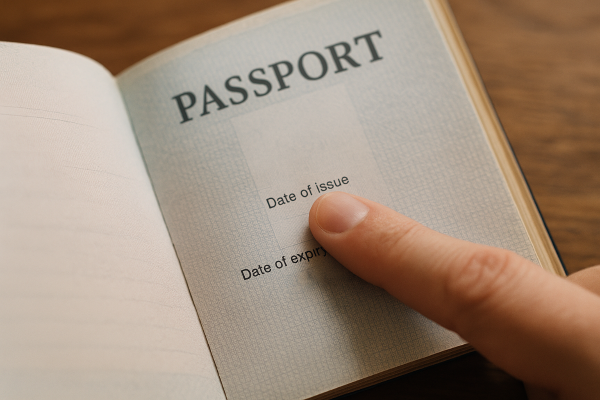
Many countries require your passport to be valid for at least six months beyond your date of entry, and some require it beyond your date of departure. A passport expiring in four months may be entirely valid at home and still get you turned away at check-in.
Requirements vary by destination, so check the specific rule for where you are going rather than assuming. Some countries require three months, some require six, and some only require validity for the duration of the stay.
Also check you have enough blank pages. Some countries require one or two, and a passport full of stamps can be a problem even though it has not expired. Renewal takes weeks and sometimes considerably longer in busy periods, which is why this check belongs months ahead rather than days.
Visas and Entry Authorisations
Visa requirements change, and the fact that you did not need one last time is not evidence that you do not need one now.
Several regions have introduced electronic travel authorisations in recent years for visitors who previously needed nothing. These are usually quick and inexpensive, but they must be obtained before travel and airlines will refuse boarding without them.
Check the official government source for your destination rather than a third-party site. Many commercial sites charge substantial fees for applications you could make directly for a fraction of the cost, and some are outright scams. Your own country's foreign affairs department publishes entry requirements by destination and is the reliable starting point.
Check transit countries too. Some require a transit visa even if you never leave the airport, which is an easy detail to miss when booking a connecting flight.
Travel Insurance
Insurance is the document people most often skip and most regret skipping.
The main thing it covers is medical treatment abroad, which can be extremely expensive, and medical evacuation, which can run into six figures. Trip cancellation, delays, and lost baggage are secondary benefits.

Read what is actually covered. Common exclusions include pre-existing conditions that were not declared, injuries sustained during activities classed as hazardous — which can include things as ordinary as riding a scooter — and claims arising from alcohol. Check the medical cover limit and whether evacuation is included.
Some credit cards include travel insurance, which may be adequate for short trips. Check what it actually covers before relying on it, since these policies are frequently more limited than standalone ones.
Health Documentation
Some destinations require proof of vaccination for entry, most commonly yellow fever for travel from or through certain countries.
Check official travel health guidance well in advance, because some vaccinations need to be given weeks before travel to be effective, and some require multiple doses.
If you take prescription medication, carry it in original labelled packaging in your hand luggage, with a copy of the prescription or a letter from your doctor. Be aware that medications legal at home are controlled or prohibited in some countries — this applies to some common painkillers and cold remedies — so check if you are traveling with anything beyond the ordinary.
Driving Abroad
If you plan to drive, your home licence may not be sufficient on its own.
Many countries require an International Driving Permit alongside your licence. These must be obtained in your home country before you travel and cannot be arranged at your destination.
Check the rental company's requirements as well as the country's, since some require a minimum licence age or a credit card in the driver's name. Confirm what insurance is included and what the excess is before you arrive at the counter, where the pressure to buy additional cover is considerable.
Copies and Backups
The whole document set becomes far less stressful if it exists in more than one place.
Photograph or scan your passport, visa, insurance policy, driving licence, and any booking confirmations. Store them somewhere accessible offline on your phone, and email a copy to yourself so it exists independently of the device.
Carry one printed copy of the essentials separately from the originals. If a bag is lost or stolen, having a copy of your passport significantly speeds up getting an emergency travel document.
Note the location and contact details of your country's embassy or consulate at your destination before you go. Looking it up is much harder without documents, money, or a working phone.
Money and Cards
Cards count as travel documents in practice, since being unable to pay for anything is a trip-ending problem.
Tell your bank you are traveling if they require it, since fraud systems block foreign transactions routinely. Carry at least two cards from different networks, kept in different places, so one loss is not total.
Check foreign transaction fees before relying on a card, and know your PIN — some countries use chip and PIN where you may be used to contactless or signature. Carry a small amount of local currency for arrival, since not every airport has a working ATM at every hour.
Traveling With Children
Family travel adds document requirements that catch people out, particularly when not both parents are present.
Children generally need their own passport regardless of age, and children's passports typically expire sooner than adult ones — often every five years — which means a child's passport can lapse while the parents' are still valid.
Some countries require additional documentation when a child travels with only one parent or with another adult, commonly a notarized letter of consent from the absent parent, and sometimes a birth certificate showing the relationship. Requirements vary and are enforced inconsistently, which means you may be asked for it and may not. Carrying it costs nothing; not having it when asked can end the trip at the airport.
The Timeline That Prevents All of This
Three months out, check passport validity and expiry. Two months out, check visa and entry requirements, and book any vaccinations. One month out, arrange insurance and an International Driving Permit if needed.
One week out, make digital and paper copies of everything, notify your bank, and check the entry requirements once more in case anything has changed. That schedule turns a source of genuine anxiety into an hour of admin spread across a few months.
Sources & References
[1] U.S. Department of State — Passports, visas, and country-specific entry requirements — https://travel.state.gov
[2] Centers for Disease Control and Prevention — Travelers' Health: vaccinations and medication abroad — https://wwwnc.cdc.gov/travel
[3] Transportation Security Administration — Identification and travel document requirements — https://www.tsa.gov
You May Like

Self-Care According to Your Cycle
January 26, 2023

Valentine's Day activities in London
January 19, 2023

Local travel? Avoid these common mistakes
January 18, 2023

Unexpected Travel Expenses And How To Avoid Them
January 10, 2023

Most Expensive Valentine's Day Destinations in the World
December 30, 2022

ENJOY AN INDULGENT DINNER WITH AN AMERICAN DEEP SOUTH CHICKEN FRIED STEAK
December 17, 2022